Search This Blog

Showing posts with label Lancashire. Show all posts

Thursday, 2 March 2017

The March of the Blanketeers: March 1817

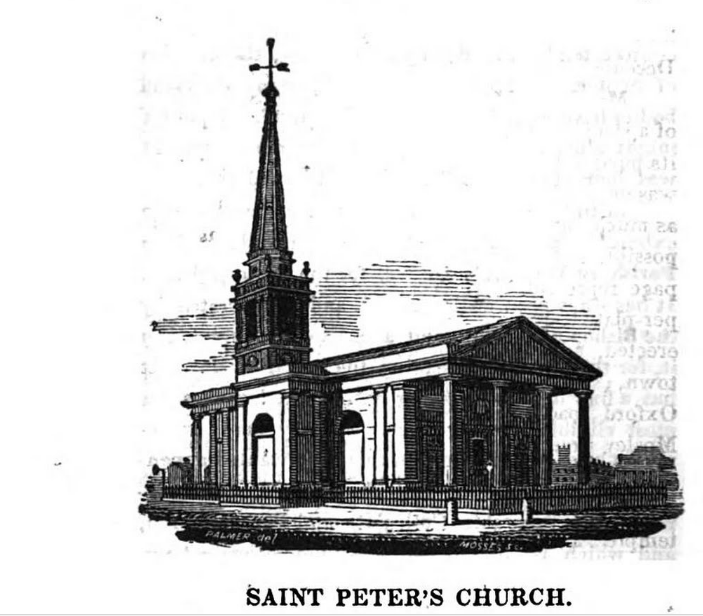
St Peter's Church in the early 1800s. 
Following the Spa Fields riot in London in 1816, the authorities in north-west England were very worried about local unrest. This was a time of great hardship for workers like the cotton weavers; many were starving.

The increasingly oppressive Lord Liverpool administration believed it faced a widespread underground movement plotting revolution. On 3 March 1817, the government suspended the Habeas Corpus Act: people could now be imprisoned without trial. 

All the Radicals in northwest England - those campaigning for parliamentary reform like weaver Samuel Bamford - were kept under close surveillance. Several spies were at work in the Manchester area, including Michael Hall (code-name ‘No. 1’) and James Rose (‘No.2’). 
Sometime around this date, Liverpudlian
Spy report from Hall and Rose, Dec 1816. HO40/10.
Joseph Mitchell, William Benbow and others decided to stage a grand march from Manchester to London. If those in power understood the depths of the weavers’ suffering, surely they would lower prices and help them find work? Each man would carry a petition to the Prince Regent; once he realized their distress, of course he would help them. Everyone would carry a blanket for their journey (so they were dubbed the ‘Blanketeers’).

The Blanketeers planned carefully. Each man would take three days’ provision in a knapsack; oatmeal and water was ‘the most nutritious and cheap’ food. They hoped that sympathisers along the route would put them up for the night, or maybe they could sleep in church halls. Some cotton spinners sent subscriptions of 5s each, and one friendly society sent £20.

The men would set off for London in groups of ten, headed by a leader with a petition tied round his arm; each leader would be under the control of a captain. Everything was now set for their grand march. 

But the government were not prepared to risk the spectre of a large body of men descending on the capital. What if riots broke out, as had so recently happened at Spa Fields? On the afternoon of 8 March, Bow St magistrate Robert Baker arrived in Manchester with warrants for the arrest of the northern reformers; several were caught and imprisoned.  

The plan was to stop the Blanketeers before they could pass the river Mersey. Baker was still sanguine that few would join the march; the weather was extremely poor. Nevertheless, Sir John Byng’s troops were ready and waiting to pounce as the Blanketeers gathered on the morning of 10 March. 
Letter re the Blanketeers' march, 10 March 1817. The signature was cut off the letter.
That evening, a Manchester man wrote to his father with exciting news: ‘We have today had the largest meeting of the lower orders ever known in this Town. They met near to St Peter’s Church where a Stage was erected for the Speakers to address them. The Soldiers and Constables were all upon the alert and about 11 O’clock the Horse Soldiers rode in upon them and succeeded in securing the whole of the Speakers and about 20 or 30 more of the ringleaders. They were sent to the New Bailey [the prison in Salford].

More Blanketeers were arrested at Heaton Norris, Stockport and Macclesfield by the yeomanry cavalry. Only one man reached London to hand in his petition: the grand march was over. 
The arrested Blanketeers were never brought to trial; they rotted in prison for several months before being released. 


Monday, 20 February 2017

Lancashire Archives: Red Rose Collections

Lancashire Archives, Preston has just launched its new online digital resource, the Red Rose Collections. (It replaces the old Lancashire Lantern website). This wonderful resource includes: over 30,000 historic photos, an index to old Lancashire newspapers, an index to historical documents including Whittingham Asylum records, an index to the Preston Guild Rolls 1397-1992, an index of officers who served in Lancashire Constabulary, and the Fleetwood Online Archive of Trawlers.
If you find a record relating to the ancestor you are interested in, then you can contact Lancashire Archives and order a copy (but sadly an ordering facility is not currently available for the photos of Fleetwood trawlers).
There is also an ongoing project to index people and places named in the local history book collection, these indexes will appear on the Lancashire Libraries catalogue.
I did a 'quick search' for 'Manchester', and 'Salford' in the online search box and there were over 2000 results for Manchester and nearly 800 for Salford, so if your ancestors came from those cities or any other towns in historic Lancashire, it's well worth your time exploring the site.

It's worrying, however, that Lancashire County Council is thinking of making more changes to services like libraries owing to the unprecedented squeeze on local authority funding by the government - this is on top of the recent closures of five Lancashire's museums.
To think when I was growing up, I took it for granted that amenities like libraries and museums and social housing were an immutable part of the landscape. By the Tories' austerity ideology has run its full course we will have nothing left. There would be plenty of money for all these facilities if the big corporations and businesses paid a meaningful amount of tax instead of parking it offshore. In my humble opinion, anyway.

Tuesday, 25 October 2016

Roman Catholic Ancestors


Liverpool Metropolitan Cathedral.
My latest feature for Your Family History magazine (November issue) is on tracing Roman Catholic ancestors.

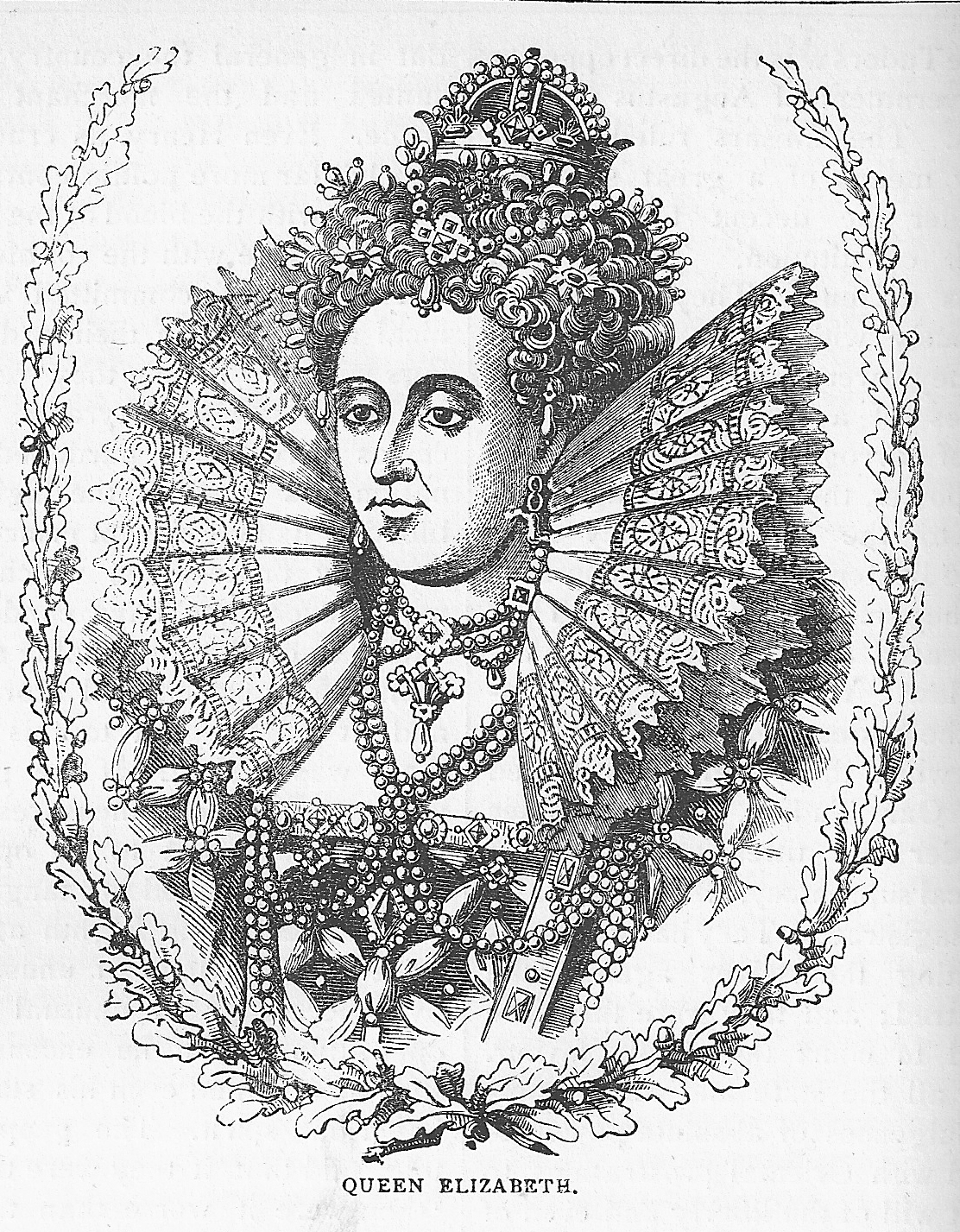
In 1534 Henry VIII severed the country’s links with Rome and the Pope, and the Anglican Church was born. Elizabeth I confirmed the Anglican Church’s status with the Act of Supremacy (1559), and the introduction of the Book of Common Prayer. 

 Although there were penalties for ‘recusancy’, Roman Catholics wished to be baptized and married according to the rites of their church. Lancashire families in particular clung on stubbornly to the ‘old religion’. So your Catholic ancestors may have been baptized, or married, once in an Anglican church, and again in a Catholic church in secret.
Things improved for Catholics following the Catholic Emancipation Act of 1829.

Furness Abbey.
I’ll be exploring this subject further in Tracing Your Manchester and Salford Ancestors, which will be published by Pen and Sword in the spring of next year. In the meantime, the MLFHS website has a free list of RC churches in Manchester and Salford, with addresses and dates of their opening and closure, and name changes.
Images:

Liverpool Metropolitan Cathedral, consecrated in 1967. © Sue Wilkes.
Elizabeth I. Pictorial Record of Remarkable Events, (Frederick Warne & Co., 1896).
Chapter House, Furness Abbey. Engraved by R. Sands from a drawing by T. Allom. People’s Gallery of Engravings Vol.2 (Fisher, Son & Co., 1845). 

Monday, 5 September 2016

Lancashire's Heritage Crisis

Weaving shed, Queen St Mill.
On Saturday we visited Queen Street Mill at Harle Syke, Briarcliffe, near Burnley. This amazing site is Lancashire's last surviving steam-powered weaving mill.

The mill, a Grade I listed building, is home to a nationally important collection of textile machinery, along with its sister site, Helmshore Mills at Rossendale (another fantastic museum, which I visited while researching my book Narrow Windows, Narrow Lives).
The mill chimney.


Queen Street Mill originally housed 1,000 powerlooms; it was built in 1894 for the Queen St Mill Manufacturing Company.

You can see 'Peace', the 500hp engine which powers the weaving shed, and the boiler house is still home to the original Lancashire boiler. It was stiflingly hot in the boiler house (2 newer Lancashire boilers, made at Hyde in 1901, heat the water for the engine). Water is supplied from the mill pond.
When the engine is 'in steam', you can see several looms at work; the weaving shed houses about 300 looms. The noise was absolutely deafening, so it must have been unbelievably loud when all the looms were in use. The warehouse has several examples of different looms, including a Jacquard loom capable of weaving a tapestry. I was also very interested to see a demonstration of terry-towelling weaving, which I haven't seen before. You can buy towels, aprons and fabric woven at the mill in the gift shop.

Lancashire boilers need a lot of coal for fuel.
Peace, the 500hp mill engine.
I am sorry to say that Queen St and Helmshore both face imminent closure, along with three other Lancashire heritage sites  - victims of council cuts necessitated by Tory austerity policies which have disproportionately targeted the north and inner-city regions. The other Lancashire museums now at risk are the Judges' Lodgings, Lancaster; the Maritime Museum, Fleetwood; and the Museum of Lancashire, Preston
The closure of these five museums - now in a last-ditch fight to save their collections - will save the council just £64.2million, according to the Museums Association.
It seems a relatively small price to pay to keep these irreplaceable heritage sites open to the public, so if you happen to be a multi-millionaire or billionaire philanthropist with some spare cash, please contact the museums if you would like to help.
Queen St Mill and many other sites nationwide are open free of charge next weekend as part of the Heritage Open Days event, so do take this opportunity to visit.

Terry-towelling loom at Queen St mill.
Jacquard loom at Queen St Mill.
I am desperately saddened by the prospect of these museums' closure, and I sincerely hope that a way can be found to preserve them for future generations, so that tomorrow's children can see how their Lancashire ancestors lived and worked.
All photos © Sue Wilkes.


Wednesday, 29 July 2015

King Cotton's Timetable


I've often discussed workers and the types of machinery they tended on this blog, and the long hours they worked. But what was a typical timetable for a working day in the 1840s for a Lancashire mill family (including my ancestors)? 

Their day began at 5.30 a.m. with a rap at the window from the long stick of the knocker-upper – they paid him or her a small fee to act as their alarm clock. If the family lived a long way from the mill, they might have to get up even earlier to allow time to walk to work. Even if workers were only two or three minutes late for work, they were ‘quartered’ - fined 15 minutes’ wages - and if they were 15 minutes late, they lost a whole quarter of a day’s wages. Some mill masters locked the mill gates after ten minutes, which meant that workers were locked out till breakfast time.

On their way to work, our factory family bought hot coffee or cocoa from street vendors. The factory bell began ringing at five to six in the morning until 6 a.m., when the mill engine started up. The youngest child workers arrived at the factory gates, still half-asleep. Breakfast was from 8.30–9 am; perhaps some bread wrapped in a cloth, but not every mill stopped for breakfast, so workers ate while they worked.  The factory owner sometimes provided hot water for the operatives to make tea, but in some mills in the 1830s, the mill engineer’s wife sold hot water to the workers for 2d a week. (One witness estimated that the engineer’s wife made 30-40s every week just selling hot water). If they could afford it, workers took tea and coffee to the mill, and brewed up with jugs kept at the mill. If they couldn’t afford fresh tea, it was left at home: tea-leaves were dried out and re-used whenever possible.

After breakfast they worked until the dinner-hour at 1 pm, when our family met up by the factory gate; they might perhaps buy lunch from the corner shop.  If the mill was too far away for them to go home for lunch, some took bacon with them and paid 1d to the engineer’s wife for a dish of mashed potatoes, and 1d a week for cooking the bacon to go with it. If Grandma was minding her daughter’s children, she might cook lunch for her daughter and take it to the factory, so she didn’t have to rush home. Work started again at 2 pm, and finished at 5.30pm - so workers were at the factory for 11 and a half hours including meal breaks.

Saturday was payday - the highlight of the week, when the factory closed at 2.30. After work, the operatives hurried to the shops, which stayed open until midnight; they knew from experience if they left it too late only the worst food would be left - rancid cheese, rotten meat and vegetables. Tea, coffee and sugar were bought a ‘pennyworth’ at a time, as was pickle, which was used to relieve the monotony of their usual diet of potatoes. By the time they reached home, Mum was often too exhausted to cook much, but a typical supper might be oatmeal gruel or potatoes boiled in their jackets. Working children instantly fell asleep after supper. Next day, the whole routine began all over again (holidays were rare).

And that’s why mill workers were considered ‘old’ if they were lucky enough to reach the age of forty.

Monday, 29 September 2014

Calico Print Workers

My latest feature for Who Do You Think You Are? magazine (October issue) is about Lancashire calico-printing workers, and how to research your ancestors in that branch of the textile industry
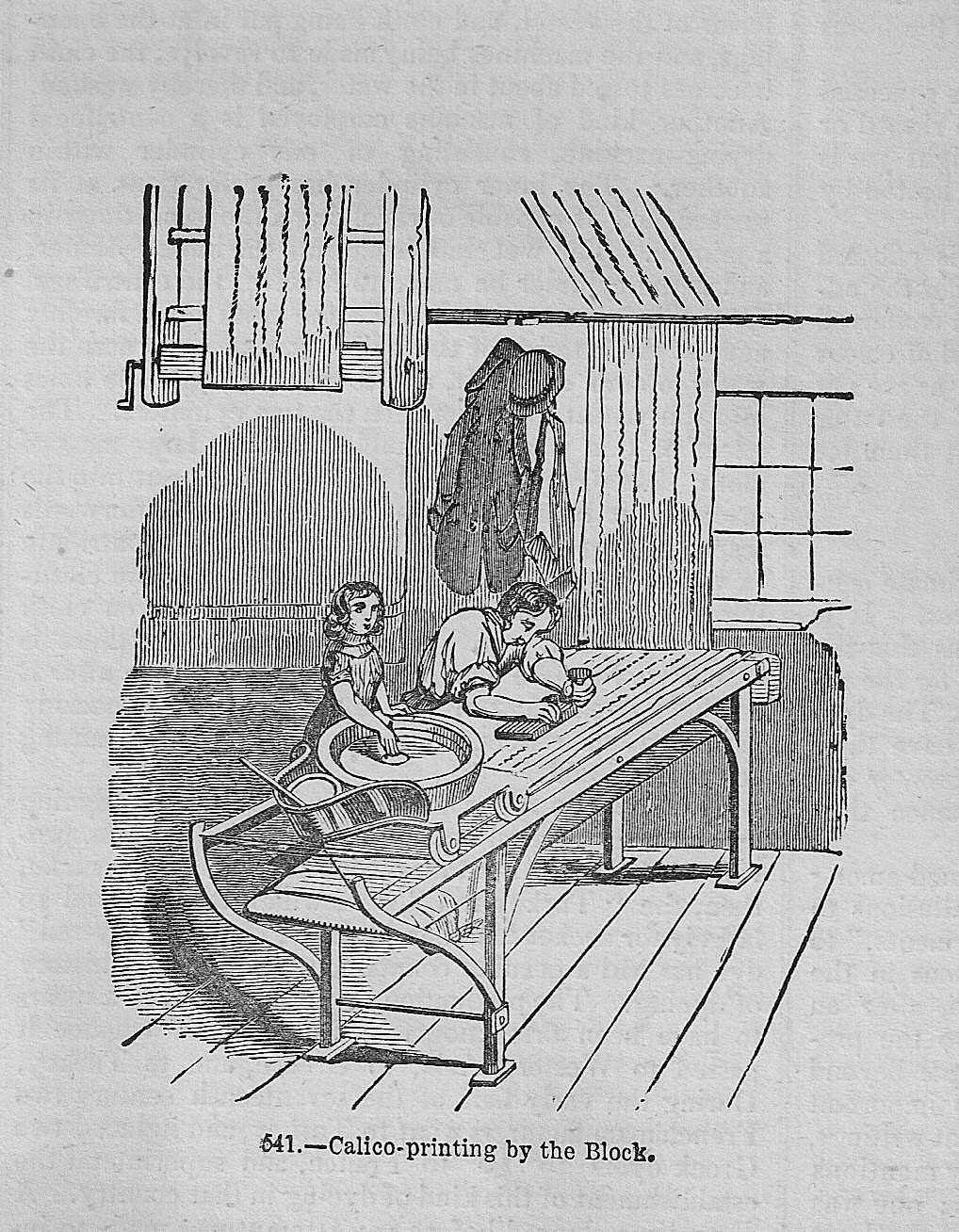
Originally, calico was printed by hand. The cloth was stretched across a printing table, wound round a roller at each end so that the cloth could be wound on ready for the next length to be printed. The printer had a child helper, a ‘tierer’, who dipped a small brush in a pot of colour, then brushed the liquid colour evenly onto a sieve or drum floating on a bed of water. The printer then placed an engraved wooden block or copper plate (with a handle on the back), onto the sieve so that it picked up the dye. The block was then pressed firmly onto the fabric to create a pattern. Block-printing was a slow process; it could take all day to produce just six pieces of cloth printed with a plain pattern

The first recorded calico printer in Manchester is William Jordan, ‘callique-printer’ at Little Green in 1763; the trade in Lancashire gained a strong foothold the following year at Clayton’s factory in Bamber Bridge, near Preston.
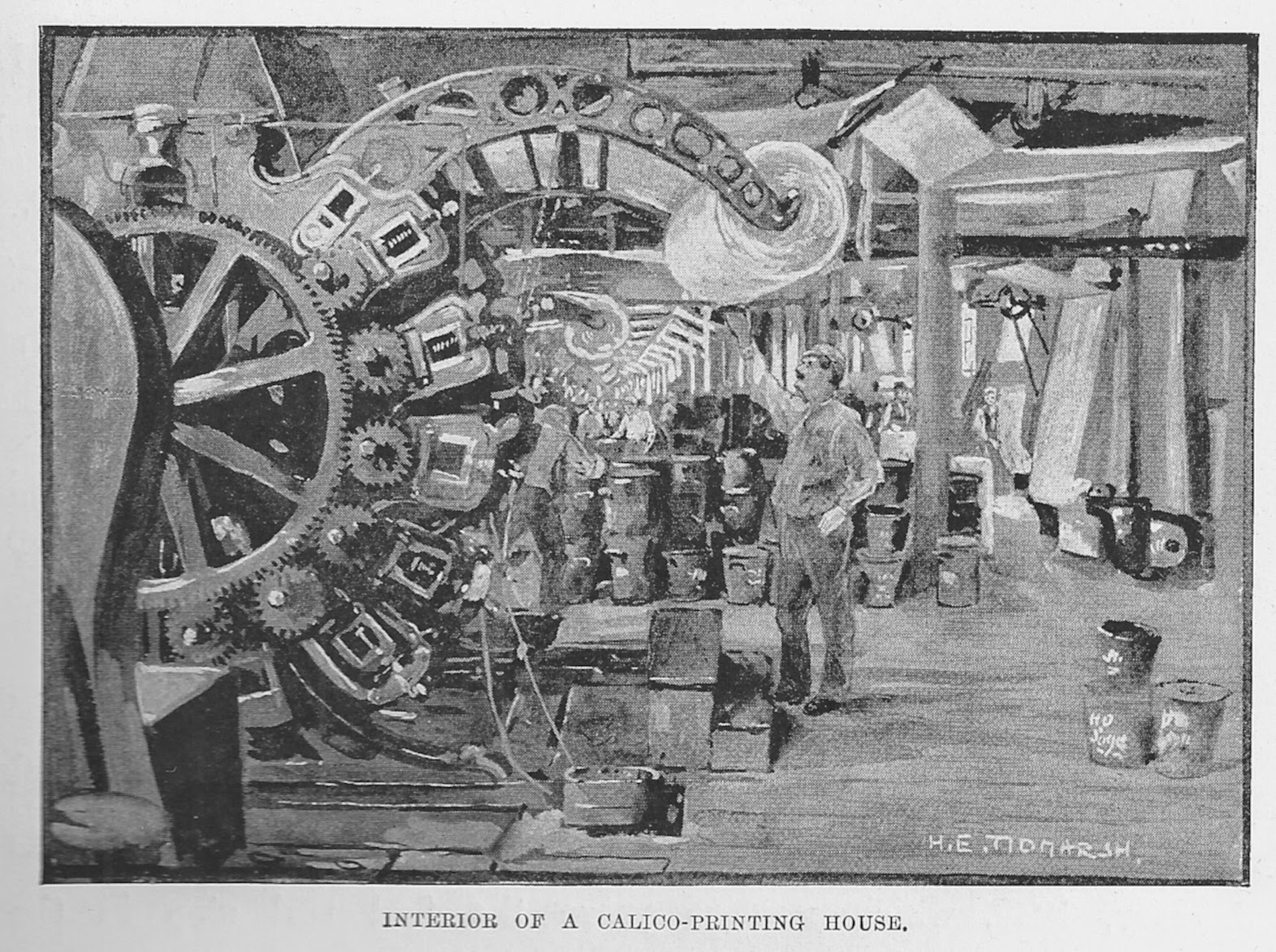
The days of block printing were numbered when roller or cylinder-printing was patented by Thomas Bell in 1783. A rotating cylinder was dipped into a trough of colour dye; next, a long steel rule or ‘doctor’ removed excess colour from the cylinder. The cloth to be printed was pressed against the dye on the engraved cylinder by means of a roller, so that the pattern was continuously printed on it as it moved along. Children were employed in the print-work factories, too.
Now hundreds of pieces of cloth could be printed in a day.  
Hoyle’s Mayfield works at Manchester employed over 200 workers in the 1830s, including over 40 children; the children earned 2s 6d per week when learning the trade, then 3s 6d when ‘fully instructed.’
You can find out more about the lives of child print-workers in my book Young Workers of the Industrial Age, and the Lancashire textile industry here.


Illustrations from author's collection:


Block printer and tierer or ‘tear girl’ (above, left). Children as young as six worked for twelve hours or more helping block printers. Charles Knight’s Pictorial Gallery of Arts Vol. I, (c.1862). 
A calico printworks at Manchester in the 1890s (above, right), and a view of Hoyle's printworks from London Rd Station (left). Both illustrations by H E Tidmarsh, Manchester Old and New Vol. II, (Cassell & Co., c. 1894).