Search This Blog

Showing posts with label MLFHS. Show all posts

Friday, 21 July 2017

Manchester and Salford Burials

Monuments at St Ann's church, Manchester.
Today I'm looking at a grave subject - finding burials for your Manchester and Salford ancestors. Your first stop should be the Manchester and Lancashire Family History Society (MLFHS) website which has got useful guides on finding burials, burial grounds in the area, another list of graveyards, and a searchable database of memorial inscriptions.

It's very worthwhile joining the MLFHS as you will then have full access to their online databases.


Manchester City Council has a burial search facility for Blackley Crematorium, and Blackley, Gorton, Philips Park, Southern, and Manchester General cemeteries (fee payable to see the full details).

Sadly few grave monuments survive in Manchester city centre itself except for those outside St. Ann's church  (above left).


The Lancashire OPC free website is also very useful for baptisms and burials in the area, and new transcriptions are being added all the time.

Church and chapel registers can also be accessed at Manchester Central Library, and details are available here.
Salford Local History Library has excellent local and family history collections, too.

Image (right): a receipt for grave 237, Salford Brough Cemetery, 23 September 1879 for Jos. Gartell( or Garlett?). Author's collection.

Wednesday, 17 May 2017

Was Your Ancestor A Peterloo Casualty?

Peterloo print, courtesy Library of Congress.
This summer, Manchester and Lancashire Family History Society (MLFHS) is launching a project to find the descendants of the people who were present at the Peterloo Massacre on 16 August 1819.

On this dreadful day in Manchester's long history, sixty to eighty thousand people - including women and children -  had assembled at St Peter’s Field to attend a meeting on parliamentary reform, with Henry 'Orator' Hunt as the keynote speaker.

Although the meeting was peaceful, local magistrates, fearing that a riot was imminent, ordered yeomanry cavalry into the crowd to arrest Hunt.

The Manchester and Salford Yeomanry rode into the crowd, brandishing their sabres. But the people could not move to give them room.The horses panicked; the yeomanry lost their temper, and began hacking their way through. Over four hundred people were injured - many wounds were from sabre cuts - and between eleven and fifteen people died (accounts disagree).
Plaque commemorating the Peterloo victims.

The true number of casualties has never been completely ascertained. Many books have been written on Peterloo, including this one by Professor Michael Bush; my new book has some tips on researching Peterloo, too. There's also info and transcripts of contemporary documents here on the Peterloo Witness Project.

MLFHS is setting up a new website to discover people's family history stories which will go live on 1 June. If you are interested in contributing to this project, please visit the website when live, or contact the project manager Rod Melton by email at peterloo@mlfhs.org.uk.

Or if you are visiting Manchester Central Library after the project launches, Rod Melton will be available each Tuesday between 10:30 and 15:00. Please go to the Manchester and Lancashire Family History desk and ask for Rod and he will come down to see you.

The hope is to create a fitting and lasting memorial to all the victims of that fateful day.

Tuesday, 25 October 2016

Roman Catholic Ancestors


Liverpool Metropolitan Cathedral.
My latest feature for Your Family History magazine (November issue) is on tracing Roman Catholic ancestors.

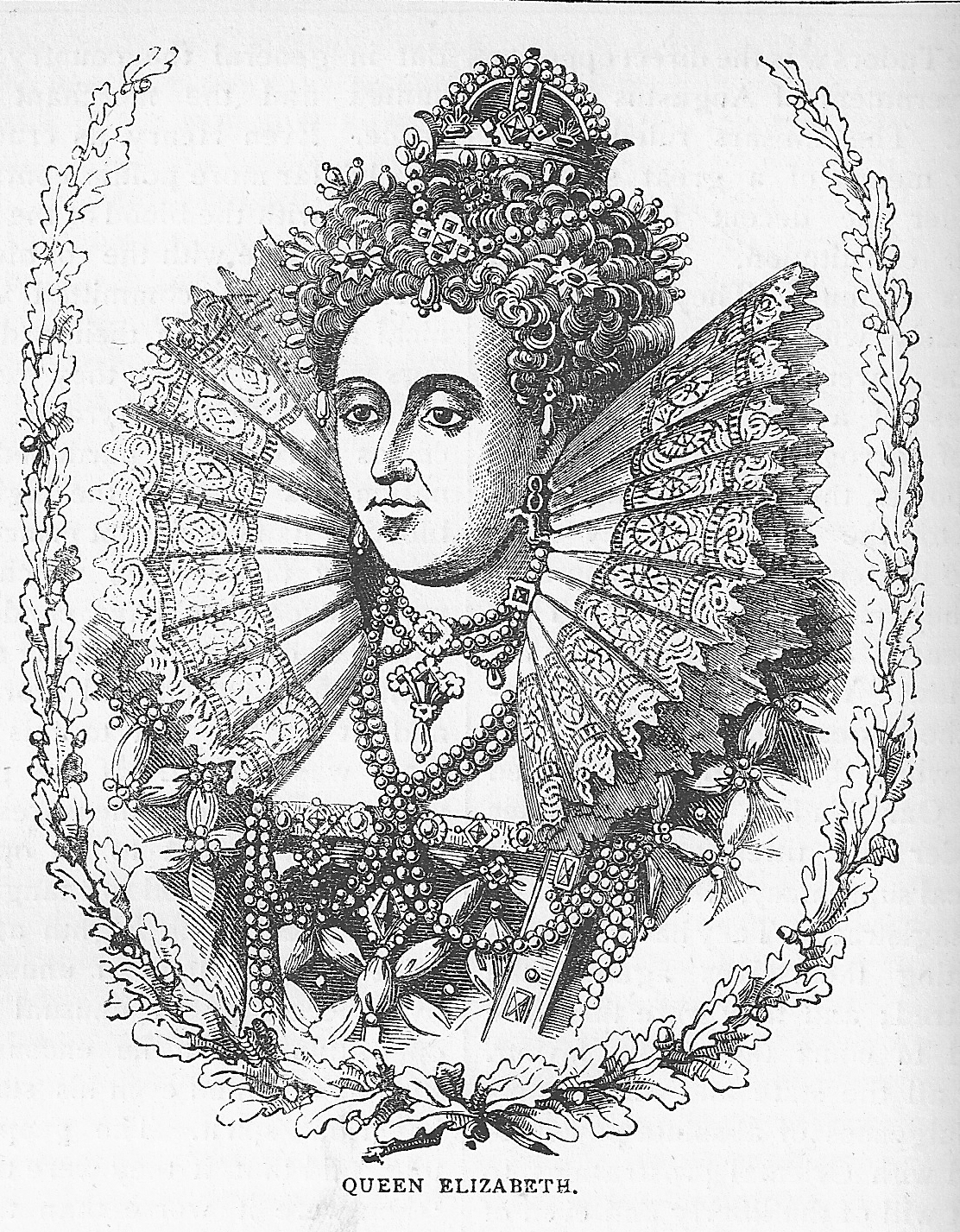
In 1534 Henry VIII severed the country’s links with Rome and the Pope, and the Anglican Church was born. Elizabeth I confirmed the Anglican Church’s status with the Act of Supremacy (1559), and the introduction of the Book of Common Prayer. 

 Although there were penalties for ‘recusancy’, Roman Catholics wished to be baptized and married according to the rites of their church. Lancashire families in particular clung on stubbornly to the ‘old religion’. So your Catholic ancestors may have been baptized, or married, once in an Anglican church, and again in a Catholic church in secret.
Things improved for Catholics following the Catholic Emancipation Act of 1829.

Furness Abbey.
I’ll be exploring this subject further in Tracing Your Manchester and Salford Ancestors, which will be published by Pen and Sword in the spring of next year. In the meantime, the MLFHS website has a free list of RC churches in Manchester and Salford, with addresses and dates of their opening and closure, and name changes.
Images:

Liverpool Metropolitan Cathedral, consecrated in 1967. © Sue Wilkes.
Elizabeth I. Pictorial Record of Remarkable Events, (Frederick Warne & Co., 1896).
Chapter House, Furness Abbey. Engraved by R. Sands from a drawing by T. Allom. People’s Gallery of Engravings Vol.2 (Fisher, Son & Co., 1845).